Industrialisation
Prepare for industrialisation and scale through supplier and tooling sourcing, product transfer and IP support.

Approach
Industrialisation at Voxdale bridges engineering and production through supplier collaboration, DfM analysis, tooling planning, and IP strategy integration. Factory-aligned reviews and pilot builds ensure manufacturability aligns with design intent, creating stable supply chains and industrialised products ready for scalable ramp-up without surprises.
Industrialisation at Voxdale bridges engineering and production through supplier collaboration, DfM analysis, tooling planning, and IP strategy integration. Factory-aligned reviews and pilot builds ensure manufacturability aligns with design intent, creating stable supply chains and industrialised products ready for scalable ramp-up without surprises.
Industrialisation services for production-ready physical products
Featured projects

Institute of Tropical Medicine
Designing a $2 blood self-sampling device for home use — from first prototype to peer-reviewed results, a patent, and a Red Dot Award
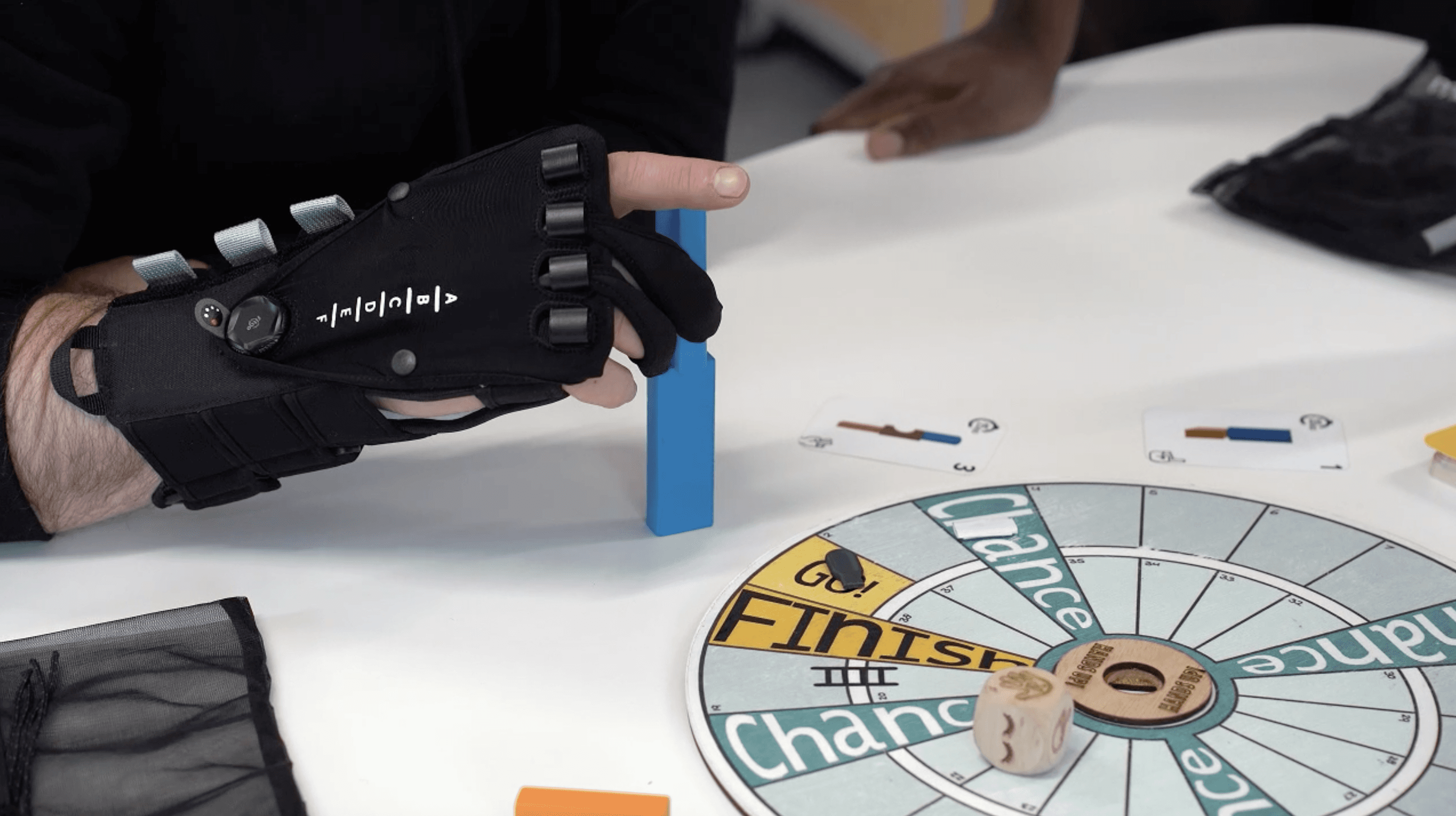
Madglove
From a physiotherapist's insight to a manufacturable assistive glove for people with hand spasticity

Open Funk
re:Mix: engineering a jar-coupling mechanism and motor system for Open Funk's repairable, 3D-printed kitchen blender

Raw Stadia
The complete hardware product range behind Raw Stadia's turf-performance platform

June Energy
From analogue predecessor to a 3,000-device fleet — full-stack IoT development of June Energy's P1 dongle
Preparing to commit to tooling, suppliers and production
When designs are maturing and the next step involves significant investments in tooling, equipment or supplier contracts, Industrialisation helps ensure those decisions are well-founded. This phase reviews geometry, tolerances, materials and assembly flows so that known issues are resolved on the drawing board rather than on the production line.
Scaling from prototypes and small batches to stable series production
When you need to move beyond lab builds or limited runs into repeatable production, Industrialisation establishes the conditions for a smooth ramp-up. Supplier sourcing, tooling planning and product transfer support come together to align design intent with factory realities, reducing disruptions during pilot builds and early series.
Aligning manufacturability, supply chain and IP strategy
When long-term competitiveness depends on both an efficient supply chain and a solid IP position, Industrialisation connects these dimensions. By considering manufacturability, supplier capabilities and patent implications in parallel, this phase helps you protect critical design elements while keeping production practical, scalable and resilient.
Production-ready designs with resolved manufacturability issues
Industrialisation delivers fully DfM-optimised designs covering geometry, tolerances, materials, and assembly sequences, validated through factory simulations, supplier reviews, and pilot tooling. Known production risks are eliminated on paper, ensuring first articles meet specifications without costly redesign iterations.
Stable supply chain and tooling strategy in place
This phase establishes qualified suppliers, negotiated contracts, lead time buffers, and backup options for every critical component and process. Tooling specifications, cost models, and transfer protocols create a resilient foundation for pilot runs and volume ramp-up with minimal supply disruptions.
Industrialised product with IP protection strategy
Industrialisation produces factory-ready documentation, including work instructions, quality control plans, and maintenance guides, alongside patent filings and IP strategies that protect key innovations. The complete package supports a smooth handoff to production teams and long-term competitiveness in the market.
Preparing to commit to tooling, suppliers and production
When designs are maturing and the next step involves significant investments in tooling, equipment or supplier contracts, Industrialisation helps ensure those decisions are well-founded. This phase reviews geometry, tolerances, materials and assembly flows so that known issues are resolved on the drawing board rather than on the production line.
Scaling from prototypes and small batches to stable series production
When you need to move beyond lab builds or limited runs into repeatable production, Industrialisation establishes the conditions for a smooth ramp-up. Supplier sourcing, tooling planning and product transfer support come together to align design intent with factory realities, reducing disruptions during pilot builds and early series.
Aligning manufacturability, supply chain and IP strategy
When long-term competitiveness depends on both an efficient supply chain and a solid IP position, Industrialisation connects these dimensions. By considering manufacturability, supplier capabilities and patent implications in parallel, this phase helps you protect critical design elements while keeping production practical, scalable and resilient.
Production-ready designs with resolved manufacturability issues
Industrialisation delivers fully DfM-optimised designs covering geometry, tolerances, materials, and assembly sequences, validated through factory simulations, supplier reviews, and pilot tooling. Known production risks are eliminated on paper, ensuring first articles meet specifications without costly redesign iterations.
Stable supply chain and tooling strategy in place
This phase establishes qualified suppliers, negotiated contracts, lead time buffers, and backup options for every critical component and process. Tooling specifications, cost models, and transfer protocols create a resilient foundation for pilot runs and volume ramp-up with minimal supply disruptions.
Industrialised product with IP protection strategy
Industrialisation produces factory-ready documentation, including work instructions, quality control plans, and maintenance guides, alongside patent filings and IP strategies that protect key innovations. The complete package supports a smooth handoff to production teams and long-term competitiveness in the market.
Preparing to commit to tooling, suppliers and production
When designs are maturing and the next step involves significant investments in tooling, equipment or supplier contracts, Industrialisation helps ensure those decisions are well-founded. This phase reviews geometry, tolerances, materials and assembly flows so that known issues are resolved on the drawing board rather than on the production line.
Scaling from prototypes and small batches to stable series production
When you need to move beyond lab builds or limited runs into repeatable production, Industrialisation establishes the conditions for a smooth ramp-up. Supplier sourcing, tooling planning and product transfer support come together to align design intent with factory realities, reducing disruptions during pilot builds and early series.
Aligning manufacturability, supply chain and IP strategy
When long-term competitiveness depends on both an efficient supply chain and a solid IP position, Industrialisation connects these dimensions. By considering manufacturability, supplier capabilities and patent implications in parallel, this phase helps you protect critical design elements while keeping production practical, scalable and resilient.
Production-ready designs with resolved manufacturability issues
Industrialisation delivers fully DfM-optimised designs covering geometry, tolerances, materials, and assembly sequences, validated through factory simulations, supplier reviews, and pilot tooling. Known production risks are eliminated on paper, ensuring first articles meet specifications without costly redesign iterations.
Stable supply chain and tooling strategy in place
This phase establishes qualified suppliers, negotiated contracts, lead time buffers, and backup options for every critical component and process. Tooling specifications, cost models, and transfer protocols create a resilient foundation for pilot runs and volume ramp-up with minimal supply disruptions.
Industrialised product with IP protection strategy
Industrialisation produces factory-ready documentation, including work instructions, quality control plans, and maintenance guides, alongside patent filings and IP strategies that protect key innovations. The complete package supports a smooth handoff to production teams and long-term competitiveness in the market.
Preparing to commit to tooling, suppliers and production
When designs are maturing and the next step involves significant investments in tooling, equipment or supplier contracts, Industrialisation helps ensure those decisions are well-founded. This phase reviews geometry, tolerances, materials and assembly flows so that known issues are resolved on the drawing board rather than on the production line.
Scaling from prototypes and small batches to stable series production
When you need to move beyond lab builds or limited runs into repeatable production, Industrialisation establishes the conditions for a smooth ramp-up. Supplier sourcing, tooling planning and product transfer support come together to align design intent with factory realities, reducing disruptions during pilot builds and early series.
Aligning manufacturability, supply chain and IP strategy
When long-term competitiveness depends on both an efficient supply chain and a solid IP position, Industrialisation connects these dimensions. By considering manufacturability, supplier capabilities and patent implications in parallel, this phase helps you protect critical design elements while keeping production practical, scalable and resilient.
Production-ready designs with resolved manufacturability issues
Industrialisation delivers fully DfM-optimised designs covering geometry, tolerances, materials, and assembly sequences, validated through factory simulations, supplier reviews, and pilot tooling. Known production risks are eliminated on paper, ensuring first articles meet specifications without costly redesign iterations.
Stable supply chain and tooling strategy in place
This phase establishes qualified suppliers, negotiated contracts, lead time buffers, and backup options for every critical component and process. Tooling specifications, cost models, and transfer protocols create a resilient foundation for pilot runs and volume ramp-up with minimal supply disruptions.
Industrialised product with IP protection strategy
Industrialisation produces factory-ready documentation, including work instructions, quality control plans, and maintenance guides, alongside patent filings and IP strategies that protect key innovations. The complete package supports a smooth handoff to production teams and long-term competitiveness in the market.
Resources

FAQ
How can we work with Voxdale on Industrialisation?
Full project leadership. Voxdale manages production transfer with manufacturing partners.
Embedded experts (3–6 months). Supply chain or DfM specialists for production ramp.
On-call support. Supplier qualification, tooling reviews or documentation updates.
How long does Industrialisation take?
Industrialisation typically takes 8–20 weeks, depending on supply chain complexity:
DfM sprint: 4–8 weeks (analysis, design optimisation, supplier pre-qualification, and cost modelling)
Industrialisation sprint: 8–16 weeks (tooling, pilot production, T0/T1 tooling trials, and process validation)
When is the right moment to start Industrialisation?
When alpha prototypes validate performance, but require manufacturing optimisation before production tooling and supplier commitment.
Can you work with our existing suppliers?
Yes, Voxdale can collaborate with your current suppliers or help you identify and qualify new ones.
Do you manage production on our behalf?
Voxdale supports transfer, pilot builds and early ramp-up, while ownership of long-term production typically stays with you and your manufacturing partners.
Can Industrialisation reduce our unit cost?
Industrialisation often identifies changes that reduce material, assembly or scrap cost while keeping performance and quality intact.
How does IP transfer work?
Full IP ownership transfers to you upon project completion, complete with documentation, drawings and manufacturing files.
How can we work with Voxdale on Industrialisation?
Full project leadership. Voxdale manages production transfer with manufacturing partners.
Embedded experts (3–6 months). Supply chain or DfM specialists for production ramp.
On-call support. Supplier qualification, tooling reviews or documentation updates.
How long does Industrialisation take?
Industrialisation typically takes 8–20 weeks, depending on supply chain complexity:
DfM sprint: 4–8 weeks (analysis, design optimisation, supplier pre-qualification, and cost modelling)
Industrialisation sprint: 8–16 weeks (tooling, pilot production, T0/T1 tooling trials, and process validation)
When is the right moment to start Industrialisation?
When alpha prototypes validate performance, but require manufacturing optimisation before production tooling and supplier commitment.
Can you work with our existing suppliers?
Yes, Voxdale can collaborate with your current suppliers or help you identify and qualify new ones.
Do you manage production on our behalf?
Voxdale supports transfer, pilot builds and early ramp-up, while ownership of long-term production typically stays with you and your manufacturing partners.
Can Industrialisation reduce our unit cost?
Industrialisation often identifies changes that reduce material, assembly or scrap cost while keeping performance and quality intact.
How does IP transfer work?
Full IP ownership transfers to you upon project completion, complete with documentation, drawings and manufacturing files.
How can we work with Voxdale on Industrialisation?
Full project leadership. Voxdale manages production transfer with manufacturing partners.
Embedded experts (3–6 months). Supply chain or DfM specialists for production ramp.
On-call support. Supplier qualification, tooling reviews or documentation updates.
How long does Industrialisation take?
Industrialisation typically takes 8–20 weeks, depending on supply chain complexity:
DfM sprint: 4–8 weeks (analysis, design optimisation, supplier pre-qualification, and cost modelling)
Industrialisation sprint: 8–16 weeks (tooling, pilot production, T0/T1 tooling trials, and process validation)
When is the right moment to start Industrialisation?
When alpha prototypes validate performance, but require manufacturing optimisation before production tooling and supplier commitment.
Can you work with our existing suppliers?
Yes, Voxdale can collaborate with your current suppliers or help you identify and qualify new ones.
Do you manage production on our behalf?
Voxdale supports transfer, pilot builds and early ramp-up, while ownership of long-term production typically stays with you and your manufacturing partners.
Can Industrialisation reduce our unit cost?
Industrialisation often identifies changes that reduce material, assembly or scrap cost while keeping performance and quality intact.
How does IP transfer work?
Full IP ownership transfers to you upon project completion, complete with documentation, drawings and manufacturing files.
How can we work with Voxdale on Industrialisation?
Full project leadership. Voxdale manages production transfer with manufacturing partners.
Embedded experts (3–6 months). Supply chain or DfM specialists for production ramp.
On-call support. Supplier qualification, tooling reviews or documentation updates.
How long does Industrialisation take?
Industrialisation typically takes 8–20 weeks, depending on supply chain complexity:
DfM sprint: 4–8 weeks (analysis, design optimisation, supplier pre-qualification, and cost modelling)
Industrialisation sprint: 8–16 weeks (tooling, pilot production, T0/T1 tooling trials, and process validation)
When is the right moment to start Industrialisation?
When alpha prototypes validate performance, but require manufacturing optimisation before production tooling and supplier commitment.
Can you work with our existing suppliers?
Yes, Voxdale can collaborate with your current suppliers or help you identify and qualify new ones.
Do you manage production on our behalf?
Voxdale supports transfer, pilot builds and early ramp-up, while ownership of long-term production typically stays with you and your manufacturing partners.
Can Industrialisation reduce our unit cost?
Industrialisation often identifies changes that reduce material, assembly or scrap cost while keeping performance and quality intact.
How does IP transfer work?
Full IP ownership transfers to you upon project completion, complete with documentation, drawings and manufacturing files.
Other stages in your journey

Concept Strategy
Explore user needs, market opportunities and requirements before investing heavily in development.
Concept Strategy
Explore user needs, market opportunities and requirements before investing heavily in development.

Concept Development
Create manufacturable concepts, architectures and early prototypes.
Concept Development
Create manufacturable concepts, architectures and early prototypes.

Detailed Development
Engineer for performance, compliance and cost through testing, certification guidance and cost control.
Detailed Development
Engineer for performance, compliance and cost through testing, certification guidance and cost control.
Wonderful ideas, engineered from sketch to scale
Wonderful ideas, engineered from sketch to scale
Wonderful ideas, engineered from sketch to scale
Wonderful ideas, engineered from sketch to scale

© 2026 Voxdale BV
© 2026 Voxdale BV
© 2026 Voxdale BV