Concept Development
Transform validated opportunities into robust concepts and working prototypes by working with multidisciplinary teams in design, engineering and prototyping.

Approach
Concept Product Development at Voxdale unites multidisciplinary teams across industrial design, mechanical engineering, electronics, embedded software, and prototyping to transform validated opportunities into tangible concepts and demonstrators. Hands-on iteration in our in-house labs ensures architectures balance usability, performance, and feasibility from the first build, creating options that teams can evaluate, refine, and confidently advance.
Concept Product Development at Voxdale unites multidisciplinary teams across industrial design, mechanical engineering, electronics, embedded software, and prototyping to transform validated opportunities into tangible concepts and demonstrators. Hands-on iteration in our in-house labs ensures architectures balance usability, performance, and feasibility from the first build, creating options that teams can evaluate, refine, and confidently advance.
Concept Development services for complex physical products
Featured projects

Institute of Tropical Medicine
Designing a $2 blood self-sampling device for home use — from first prototype to peer-reviewed results, a patent, and a Red Dot Award

Aseptic Technologies
Engineering a principle-first mixing-and-cooling system for cell-therapy manufacturing

Ceriter
Engineering the next-generation gait sensor electronics for Ceriter's Stride One platform

KMILO (Royal Military Institute for Physical Education) and VITO
Breathfit: Exhaled breath analysis to determine physical and mental readiness of soldiers
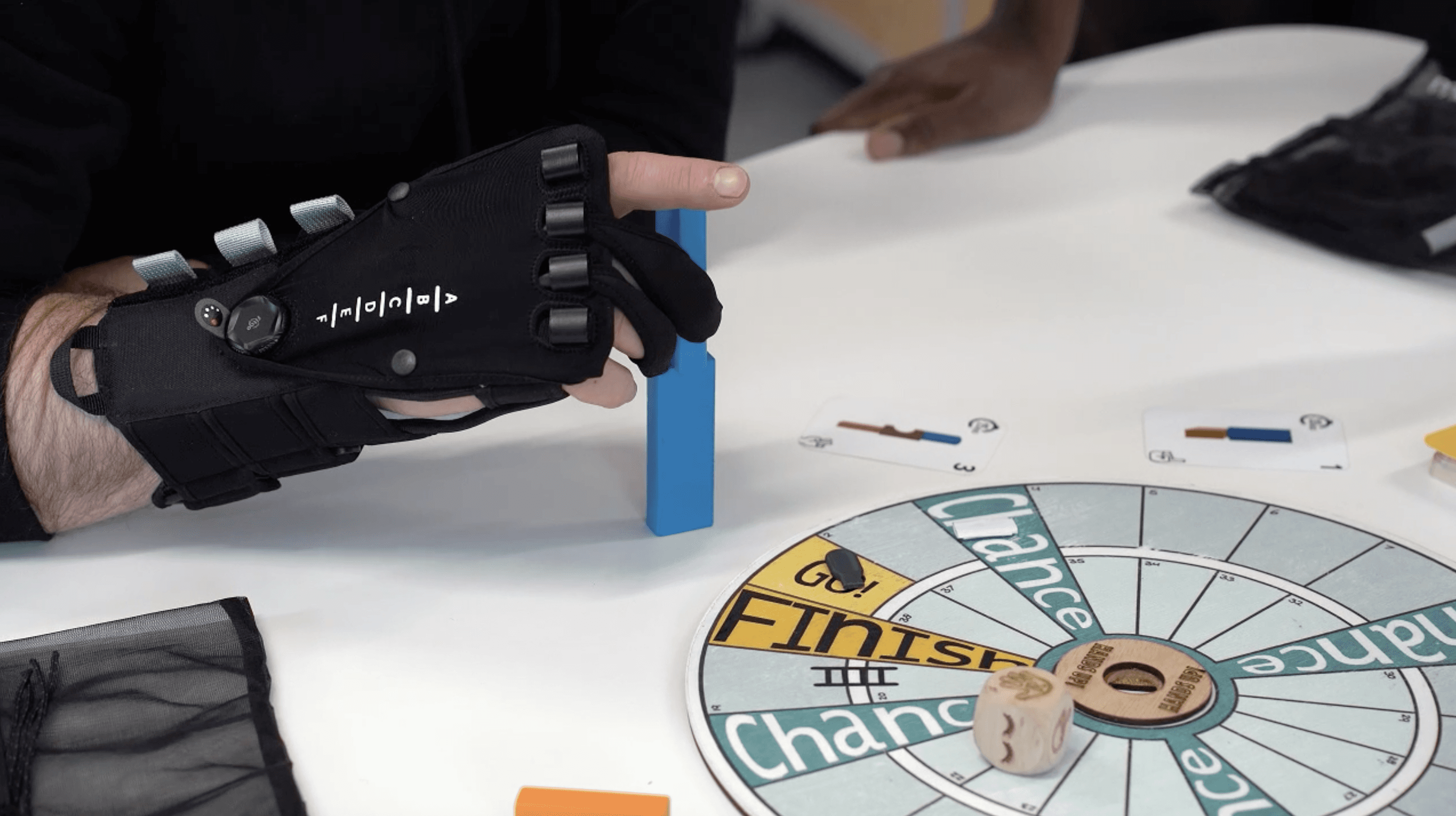
Madglove
From a physiotherapist's insight to a manufacturable assistive glove for people with hand spasticity
Exploring how to turn validated opportunities into tangible concepts
When you have clarity on users, requirements and market potential, but still lack concrete architectures or prototypes, Concept Product Development turns that understanding into real options you can see, touch and evaluate. It helps teams move beyond slideware by creating concept variants, early system architectures and demonstrators that show how the product could work in practice, making trade-offs between complexity, performance and risk explicit.
Creating prototypes that align stakeholders and de-risk decisions
When you need to convince internal decision-makers, investors or early customers, prototypes and demonstrators become a powerful way to align expectations and secure commitment. Concept Product Development focuses on building the right level of prototype, from appearance models to functional rigs, so you can test assumptions in the field, gather feedback and decide with confidence which direction should move into detailed engineering.
Managing complexity across mechanics, electronics and software early on
When your product spans mechanical systems, electronics, embedded software and connectivity, unmanaged complexity quickly leads to integration issues and rework later. Concept Product Development brings these disciplines together from the start, defining architectures, interfaces and responsibilities so that each domain can evolve in sync, reducing surprises when you move into Detailed Development.
Robust concept variants with explicit trade-offs
Concept Product Development generates multiple concept directions, complete with 3D visuals, system architectures, and early prototypes, that make performance, cost, and risk trade-offs transparent. Stakeholders can evaluate options side-by-side, select the strongest path forward, and move into detailed engineering with confidence in the chosen direction.
Tested prototypes validating key assumptions early
Through iterative builds in mechanical design, electronics, embedded software, and integration, this phase delivers functional demonstrators ready for stakeholder review, field testing, or funding discussions. These prototypes de-risk critical technical assumptions and provide real-world data to refine requirements before heavy engineering investment.
Clear architecture and handover for detailed engineering
Concept Product Development produces complete concept documentation, including CAD assemblies, interface specifications, BOMs, and risk registers, that Detailed Development teams can execute without resolving open questions. This structured handover minimises miscommunication across disciplines and accelerates the transition to performance-focused engineering.
Exploring how to turn validated opportunities into tangible concepts
When you have clarity on users, requirements and market potential, but still lack concrete architectures or prototypes, Concept Product Development turns that understanding into real options you can see, touch and evaluate. It helps teams move beyond slideware by creating concept variants, early system architectures and demonstrators that show how the product could work in practice, making trade-offs between complexity, performance and risk explicit.
Creating prototypes that align stakeholders and de-risk decisions
When you need to convince internal decision-makers, investors or early customers, prototypes and demonstrators become a powerful way to align expectations and secure commitment. Concept Product Development focuses on building the right level of prototype, from appearance models to functional rigs, so you can test assumptions in the field, gather feedback and decide with confidence which direction should move into detailed engineering.
Managing complexity across mechanics, electronics and software early on
When your product spans mechanical systems, electronics, embedded software and connectivity, unmanaged complexity quickly leads to integration issues and rework later. Concept Product Development brings these disciplines together from the start, defining architectures, interfaces and responsibilities so that each domain can evolve in sync, reducing surprises when you move into Detailed Development.
Robust concept variants with explicit trade-offs
Concept Product Development generates multiple concept directions, complete with 3D visuals, system architectures, and early prototypes, that make performance, cost, and risk trade-offs transparent. Stakeholders can evaluate options side-by-side, select the strongest path forward, and move into detailed engineering with confidence in the chosen direction.
Tested prototypes validating key assumptions early
Through iterative builds in mechanical design, electronics, embedded software, and integration, this phase delivers functional demonstrators ready for stakeholder review, field testing, or funding discussions. These prototypes de-risk critical technical assumptions and provide real-world data to refine requirements before heavy engineering investment.
Clear architecture and handover for detailed engineering
Concept Product Development produces complete concept documentation, including CAD assemblies, interface specifications, BOMs, and risk registers, that Detailed Development teams can execute without resolving open questions. This structured handover minimises miscommunication across disciplines and accelerates the transition to performance-focused engineering.
Exploring how to turn validated opportunities into tangible concepts
When you have clarity on users, requirements and market potential, but still lack concrete architectures or prototypes, Concept Product Development turns that understanding into real options you can see, touch and evaluate. It helps teams move beyond slideware by creating concept variants, early system architectures and demonstrators that show how the product could work in practice, making trade-offs between complexity, performance and risk explicit.
Creating prototypes that align stakeholders and de-risk decisions
When you need to convince internal decision-makers, investors or early customers, prototypes and demonstrators become a powerful way to align expectations and secure commitment. Concept Product Development focuses on building the right level of prototype, from appearance models to functional rigs, so you can test assumptions in the field, gather feedback and decide with confidence which direction should move into detailed engineering.
Managing complexity across mechanics, electronics and software early on
When your product spans mechanical systems, electronics, embedded software and connectivity, unmanaged complexity quickly leads to integration issues and rework later. Concept Product Development brings these disciplines together from the start, defining architectures, interfaces and responsibilities so that each domain can evolve in sync, reducing surprises when you move into Detailed Development.
Robust concept variants with explicit trade-offs
Concept Product Development generates multiple concept directions, complete with 3D visuals, system architectures, and early prototypes, that make performance, cost, and risk trade-offs transparent. Stakeholders can evaluate options side-by-side, select the strongest path forward, and move into detailed engineering with confidence in the chosen direction.
Tested prototypes validating key assumptions early
Through iterative builds in mechanical design, electronics, embedded software, and integration, this phase delivers functional demonstrators ready for stakeholder review, field testing, or funding discussions. These prototypes de-risk critical technical assumptions and provide real-world data to refine requirements before heavy engineering investment.
Clear architecture and handover for detailed engineering
Concept Product Development produces complete concept documentation, including CAD assemblies, interface specifications, BOMs, and risk registers, that Detailed Development teams can execute without resolving open questions. This structured handover minimises miscommunication across disciplines and accelerates the transition to performance-focused engineering.
Exploring how to turn validated opportunities into tangible concepts
When you have clarity on users, requirements and market potential, but still lack concrete architectures or prototypes, Concept Product Development turns that understanding into real options you can see, touch and evaluate. It helps teams move beyond slideware by creating concept variants, early system architectures and demonstrators that show how the product could work in practice, making trade-offs between complexity, performance and risk explicit.
Creating prototypes that align stakeholders and de-risk decisions
When you need to convince internal decision-makers, investors or early customers, prototypes and demonstrators become a powerful way to align expectations and secure commitment. Concept Product Development focuses on building the right level of prototype, from appearance models to functional rigs, so you can test assumptions in the field, gather feedback and decide with confidence which direction should move into detailed engineering.
Managing complexity across mechanics, electronics and software early on
When your product spans mechanical systems, electronics, embedded software and connectivity, unmanaged complexity quickly leads to integration issues and rework later. Concept Product Development brings these disciplines together from the start, defining architectures, interfaces and responsibilities so that each domain can evolve in sync, reducing surprises when you move into Detailed Development.
Robust concept variants with explicit trade-offs
Concept Product Development generates multiple concept directions, complete with 3D visuals, system architectures, and early prototypes, that make performance, cost, and risk trade-offs transparent. Stakeholders can evaluate options side-by-side, select the strongest path forward, and move into detailed engineering with confidence in the chosen direction.
Tested prototypes validating key assumptions early
Through iterative builds in mechanical design, electronics, embedded software, and integration, this phase delivers functional demonstrators ready for stakeholder review, field testing, or funding discussions. These prototypes de-risk critical technical assumptions and provide real-world data to refine requirements before heavy engineering investment.
Clear architecture and handover for detailed engineering
Concept Product Development produces complete concept documentation, including CAD assemblies, interface specifications, BOMs, and risk registers, that Detailed Development teams can execute without resolving open questions. This structured handover minimises miscommunication across disciplines and accelerates the transition to performance-focused engineering.
Resources

FAQ
How can we work with Voxdale on Concept Development?
You can work with Voxdale in three flexible ways:
Full project leadership. Voxdale leads concept development with a dedicated product owner coordinating design, engineering and prototyping.
Embedded experts (3–6 months). Senior designers/engineers join your team for concept milestones.
On-call support. Targeted redesigns, prototyping or documentation for existing clients.
How long does Concept Development take?
Concept development typically takes 8–24 weeks, depending on prototype complexity:
Concept sprint: 8–12 weeks (design + mechanical concepts)
Prototype sprint: 12–20 weeks (electronics/software integration + builds)
When is the right moment to start Concept Development?
When Concept Strategy validates your opportunity, but you need concrete architectures and prototypes you can test with users.
Can you work with our existing industrial design or engineering team?
Yes, Voxdale often collaborates with internal teams or other partners, focusing on specific disciplines (e.g. electronics, mechanics, prototyping) where extra capacity or expertise is needed.
Do you only work from scratch, or can you take over an existing concept?
Both. Voxdale can start from a blank page or build on existing concepts and prototypes, refining and extending them into more mature product architectures.
What level of documentation do we receive?
You receive concept documentation, high-level architecture, key decisions and prototype learnings that can be used in Detailed Development and stakeholder communication.
Can you support multiple concept directions in parallel?
Yes, exploring alternative concepts in parallel is often part of the process to compare trade-offs and derisk decisions.
How do prototypes in this phase relate to later testing?
Prototypes in this phase focus on feasibility and user value, while later prototypes and builds focus more on performance, compliance and manufacturability.
How can we work with Voxdale on Concept Development?
You can work with Voxdale in three flexible ways:
Full project leadership. Voxdale leads concept development with a dedicated product owner coordinating design, engineering and prototyping.
Embedded experts (3–6 months). Senior designers/engineers join your team for concept milestones.
On-call support. Targeted redesigns, prototyping or documentation for existing clients.
How long does Concept Development take?
Concept development typically takes 8–24 weeks, depending on prototype complexity:
Concept sprint: 8–12 weeks (design + mechanical concepts)
Prototype sprint: 12–20 weeks (electronics/software integration + builds)
When is the right moment to start Concept Development?
When Concept Strategy validates your opportunity, but you need concrete architectures and prototypes you can test with users.
Can you work with our existing industrial design or engineering team?
Yes, Voxdale often collaborates with internal teams or other partners, focusing on specific disciplines (e.g. electronics, mechanics, prototyping) where extra capacity or expertise is needed.
Do you only work from scratch, or can you take over an existing concept?
Both. Voxdale can start from a blank page or build on existing concepts and prototypes, refining and extending them into more mature product architectures.
What level of documentation do we receive?
You receive concept documentation, high-level architecture, key decisions and prototype learnings that can be used in Detailed Development and stakeholder communication.
Can you support multiple concept directions in parallel?
Yes, exploring alternative concepts in parallel is often part of the process to compare trade-offs and derisk decisions.
How do prototypes in this phase relate to later testing?
Prototypes in this phase focus on feasibility and user value, while later prototypes and builds focus more on performance, compliance and manufacturability.
How can we work with Voxdale on Concept Development?
You can work with Voxdale in three flexible ways:
Full project leadership. Voxdale leads concept development with a dedicated product owner coordinating design, engineering and prototyping.
Embedded experts (3–6 months). Senior designers/engineers join your team for concept milestones.
On-call support. Targeted redesigns, prototyping or documentation for existing clients.
How long does Concept Development take?
Concept development typically takes 8–24 weeks, depending on prototype complexity:
Concept sprint: 8–12 weeks (design + mechanical concepts)
Prototype sprint: 12–20 weeks (electronics/software integration + builds)
When is the right moment to start Concept Development?
When Concept Strategy validates your opportunity, but you need concrete architectures and prototypes you can test with users.
Can you work with our existing industrial design or engineering team?
Yes, Voxdale often collaborates with internal teams or other partners, focusing on specific disciplines (e.g. electronics, mechanics, prototyping) where extra capacity or expertise is needed.
Do you only work from scratch, or can you take over an existing concept?
Both. Voxdale can start from a blank page or build on existing concepts and prototypes, refining and extending them into more mature product architectures.
What level of documentation do we receive?
You receive concept documentation, high-level architecture, key decisions and prototype learnings that can be used in Detailed Development and stakeholder communication.
Can you support multiple concept directions in parallel?
Yes, exploring alternative concepts in parallel is often part of the process to compare trade-offs and derisk decisions.
How do prototypes in this phase relate to later testing?
Prototypes in this phase focus on feasibility and user value, while later prototypes and builds focus more on performance, compliance and manufacturability.
How can we work with Voxdale on Concept Development?
You can work with Voxdale in three flexible ways:
Full project leadership. Voxdale leads concept development with a dedicated product owner coordinating design, engineering and prototyping.
Embedded experts (3–6 months). Senior designers/engineers join your team for concept milestones.
On-call support. Targeted redesigns, prototyping or documentation for existing clients.
How long does Concept Development take?
Concept development typically takes 8–24 weeks, depending on prototype complexity:
Concept sprint: 8–12 weeks (design + mechanical concepts)
Prototype sprint: 12–20 weeks (electronics/software integration + builds)
When is the right moment to start Concept Development?
When Concept Strategy validates your opportunity, but you need concrete architectures and prototypes you can test with users.
Can you work with our existing industrial design or engineering team?
Yes, Voxdale often collaborates with internal teams or other partners, focusing on specific disciplines (e.g. electronics, mechanics, prototyping) where extra capacity or expertise is needed.
Do you only work from scratch, or can you take over an existing concept?
Both. Voxdale can start from a blank page or build on existing concepts and prototypes, refining and extending them into more mature product architectures.
What level of documentation do we receive?
You receive concept documentation, high-level architecture, key decisions and prototype learnings that can be used in Detailed Development and stakeholder communication.
Can you support multiple concept directions in parallel?
Yes, exploring alternative concepts in parallel is often part of the process to compare trade-offs and derisk decisions.
How do prototypes in this phase relate to later testing?
Prototypes in this phase focus on feasibility and user value, while later prototypes and builds focus more on performance, compliance and manufacturability.
Other stages in your journey

Concept Strategy
Explore user needs, market opportunities and requirements before investing heavily in development.
Concept Strategy
Explore user needs, market opportunities and requirements before investing heavily in development.

Detailed Development
Engineer for performance, compliance and cost through testing, certification guidance and cost control.
Detailed Development
Engineer for performance, compliance and cost through testing, certification guidance and cost control.

Industrialisation
Scale to production with manufacturing partners and certification.
Industrialisation
Scale to production with manufacturing partners and certification.
Wonderful ideas, engineered from sketch to scale
Wonderful ideas, engineered from sketch to scale
Wonderful ideas, engineered from sketch to scale
Wonderful ideas, engineered from sketch to scale

© 2026 Voxdale BV
© 2026 Voxdale BV
© 2026 Voxdale BV