Science & Instrumentation
Precision physical products for scientific research, lab automation, and instrumentation where accuracy and repeatability matter

Who We Work With
Voxdale supports Universities, research institutes, deep tech ventures, and instrumentation companies developing custom laboratory instruments, scientific measurement equipment, and lab automation systems. Projects range from bespoke one-off research tools and funded prototype instruments to small-volume commercial products requiring IP-protected, reproducible, and traceable builds.
Voxdale supports Universities, research institutes, deep tech ventures, and instrumentation companies developing custom laboratory instruments, scientific measurement equipment, and lab automation systems. Projects range from bespoke one-off research tools and funded prototype instruments to small-volume commercial products requiring IP-protected, reproducible, and traceable builds.
Typical challenges in Science & Instrumentation
Typical challenges in Science & Instrumentation
Typical challenges in Science & Instrumentation
01
Measurement Accuracy and Repeatability
Engineering hardware where tolerances, thermal stability, and component matching determine result quality.
01
Measurement Accuracy and Repeatability
Engineering hardware where tolerances, thermal stability, and component matching determine result quality.
01
Measurement Accuracy and Repeatability
Engineering hardware where tolerances, thermal stability, and component matching determine result quality.
01
Measurement Accuracy and Repeatability
Engineering hardware where tolerances, thermal stability, and component matching determine result quality.
02
Low-Volume, High-Complexity Builds
Developing sophisticated instruments at volumes of 1–500 units with tightly documented specifications.
02
Low-Volume, High-Complexity Builds
Developing sophisticated instruments at volumes of 1–500 units with tightly documented specifications.
02
Low-Volume, High-Complexity Builds
Developing sophisticated instruments at volumes of 1–500 units with tightly documented specifications.
02
Low-Volume, High-Complexity Builds
Developing sophisticated instruments at volumes of 1–500 units with tightly documented specifications.
03
Translating Research into Products
Bridging lab-proven science and manufacturable hardware that preserves performance and meets IP requirements.
03
Translating Research into Products
Bridging lab-proven science and manufacturable hardware that preserves performance and meets IP requirements.
03
Translating Research into Products
Bridging lab-proven science and manufacturable hardware that preserves performance and meets IP requirements.
Flexible product engineering support for precision instruments where accuracy, repeatability, and research integrity are non-negotiable.
Example applications
Spectroscopy and optical measurement instruments
Spectroscopy and optical measurement instruments
Microfluidics and sample preparation platforms
Microfluidics and sample preparation platforms
Lab automation and liquid handling systems
Lab automation and liquid handling systems
Environmental test chambers and climate simulation devices
Environmental test chambers and climate simulation devices
Scanning and atomic probe microscopy components
Scanning and atomic probe microscopy components
Custom sensors and transducers for research applications
Custom sensors and transducers for research applications
In-vitro diagnostic (IVD) prototype instruments
In-vitro diagnostic (IVD) prototype instruments
Featured projects

Resources

FAQ
Can you develop products within academic research budgets and grant timelines?
Voxdale is experienced working within milestone-driven, grant-funded programmes. We structure development phases to match funding cycles, reporting requirements, and the staged decision-making typical of research institutions. We work with both direct university contracts and spin-out vehicles, and can support IP management considerations relevant to publicly funded research.
How do you ensure measurement accuracy and repeatability across multiple builds?
Repeatability is addressed at the design stage through tolerance budgeting, material selection, thermal compensation strategies, calibration procedures, and build documentation. Each subsequent unit is built and verified against the same traceable specification so that performance is determined by engineering decisions, not by individual craftsmanship.
Can you help commercialise a research instrument that was developed in-house?
Yes. Voxdale regularly supports the translation from a lab-built prototype to a manufacturable commercial product. We redesign for production consistency, usability, and cost while preserving the technical performance that makes the instrument scientifically valid and commercially differentiated. We also support IP strategy as part of this process.
Who owns the intellectual property developed during the project?
Full IP ownership transfers to you upon project completion, including all drawings, specifications, firmware, and manufacturing files. Voxdale operates under standard confidentiality agreements for all projects, including pre-publication and pre-patent instrument work.
Do you work under NDA for sensitive or pre-publication research?
Yes. Confidentiality agreements are standard practice for all projects. For academic and research clients this includes pre-publication instrumentation, novel measurement techniques, and proprietary scientific methods that require protection before public disclosure.
How do you approach calibration and traceability requirements?
Calibration procedures and traceability chains are designed into the instrument from the concept phase, not added as a final step. We define calibration reference standards, build calibration routines into embedded software, and document measurement uncertainty budgets as part of the technical deliverables.
Can you develop products within academic research budgets and grant timelines?
Voxdale is experienced working within milestone-driven, grant-funded programmes. We structure development phases to match funding cycles, reporting requirements, and the staged decision-making typical of research institutions. We work with both direct university contracts and spin-out vehicles, and can support IP management considerations relevant to publicly funded research.
How do you ensure measurement accuracy and repeatability across multiple builds?
Repeatability is addressed at the design stage through tolerance budgeting, material selection, thermal compensation strategies, calibration procedures, and build documentation. Each subsequent unit is built and verified against the same traceable specification so that performance is determined by engineering decisions, not by individual craftsmanship.
Can you help commercialise a research instrument that was developed in-house?
Yes. Voxdale regularly supports the translation from a lab-built prototype to a manufacturable commercial product. We redesign for production consistency, usability, and cost while preserving the technical performance that makes the instrument scientifically valid and commercially differentiated. We also support IP strategy as part of this process.
Who owns the intellectual property developed during the project?
Full IP ownership transfers to you upon project completion, including all drawings, specifications, firmware, and manufacturing files. Voxdale operates under standard confidentiality agreements for all projects, including pre-publication and pre-patent instrument work.
Do you work under NDA for sensitive or pre-publication research?
Yes. Confidentiality agreements are standard practice for all projects. For academic and research clients this includes pre-publication instrumentation, novel measurement techniques, and proprietary scientific methods that require protection before public disclosure.
How do you approach calibration and traceability requirements?
Calibration procedures and traceability chains are designed into the instrument from the concept phase, not added as a final step. We define calibration reference standards, build calibration routines into embedded software, and document measurement uncertainty budgets as part of the technical deliverables.
Can you develop products within academic research budgets and grant timelines?
Voxdale is experienced working within milestone-driven, grant-funded programmes. We structure development phases to match funding cycles, reporting requirements, and the staged decision-making typical of research institutions. We work with both direct university contracts and spin-out vehicles, and can support IP management considerations relevant to publicly funded research.
How do you ensure measurement accuracy and repeatability across multiple builds?
Repeatability is addressed at the design stage through tolerance budgeting, material selection, thermal compensation strategies, calibration procedures, and build documentation. Each subsequent unit is built and verified against the same traceable specification so that performance is determined by engineering decisions, not by individual craftsmanship.
Can you help commercialise a research instrument that was developed in-house?
Yes. Voxdale regularly supports the translation from a lab-built prototype to a manufacturable commercial product. We redesign for production consistency, usability, and cost while preserving the technical performance that makes the instrument scientifically valid and commercially differentiated. We also support IP strategy as part of this process.
Who owns the intellectual property developed during the project?
Full IP ownership transfers to you upon project completion, including all drawings, specifications, firmware, and manufacturing files. Voxdale operates under standard confidentiality agreements for all projects, including pre-publication and pre-patent instrument work.
Do you work under NDA for sensitive or pre-publication research?
Yes. Confidentiality agreements are standard practice for all projects. For academic and research clients this includes pre-publication instrumentation, novel measurement techniques, and proprietary scientific methods that require protection before public disclosure.
How do you approach calibration and traceability requirements?
Calibration procedures and traceability chains are designed into the instrument from the concept phase, not added as a final step. We define calibration reference standards, build calibration routines into embedded software, and document measurement uncertainty budgets as part of the technical deliverables.
Can you develop products within academic research budgets and grant timelines?
Voxdale is experienced working within milestone-driven, grant-funded programmes. We structure development phases to match funding cycles, reporting requirements, and the staged decision-making typical of research institutions. We work with both direct university contracts and spin-out vehicles, and can support IP management considerations relevant to publicly funded research.
How do you ensure measurement accuracy and repeatability across multiple builds?
Repeatability is addressed at the design stage through tolerance budgeting, material selection, thermal compensation strategies, calibration procedures, and build documentation. Each subsequent unit is built and verified against the same traceable specification so that performance is determined by engineering decisions, not by individual craftsmanship.
Can you help commercialise a research instrument that was developed in-house?
Yes. Voxdale regularly supports the translation from a lab-built prototype to a manufacturable commercial product. We redesign for production consistency, usability, and cost while preserving the technical performance that makes the instrument scientifically valid and commercially differentiated. We also support IP strategy as part of this process.
Who owns the intellectual property developed during the project?
Full IP ownership transfers to you upon project completion, including all drawings, specifications, firmware, and manufacturing files. Voxdale operates under standard confidentiality agreements for all projects, including pre-publication and pre-patent instrument work.
Do you work under NDA for sensitive or pre-publication research?
Yes. Confidentiality agreements are standard practice for all projects. For academic and research clients this includes pre-publication instrumentation, novel measurement techniques, and proprietary scientific methods that require protection before public disclosure.
How do you approach calibration and traceability requirements?
Calibration procedures and traceability chains are designed into the instrument from the concept phase, not added as a final step. We define calibration reference standards, build calibration routines into embedded software, and document measurement uncertainty budgets as part of the technical deliverables.
Explore other industries
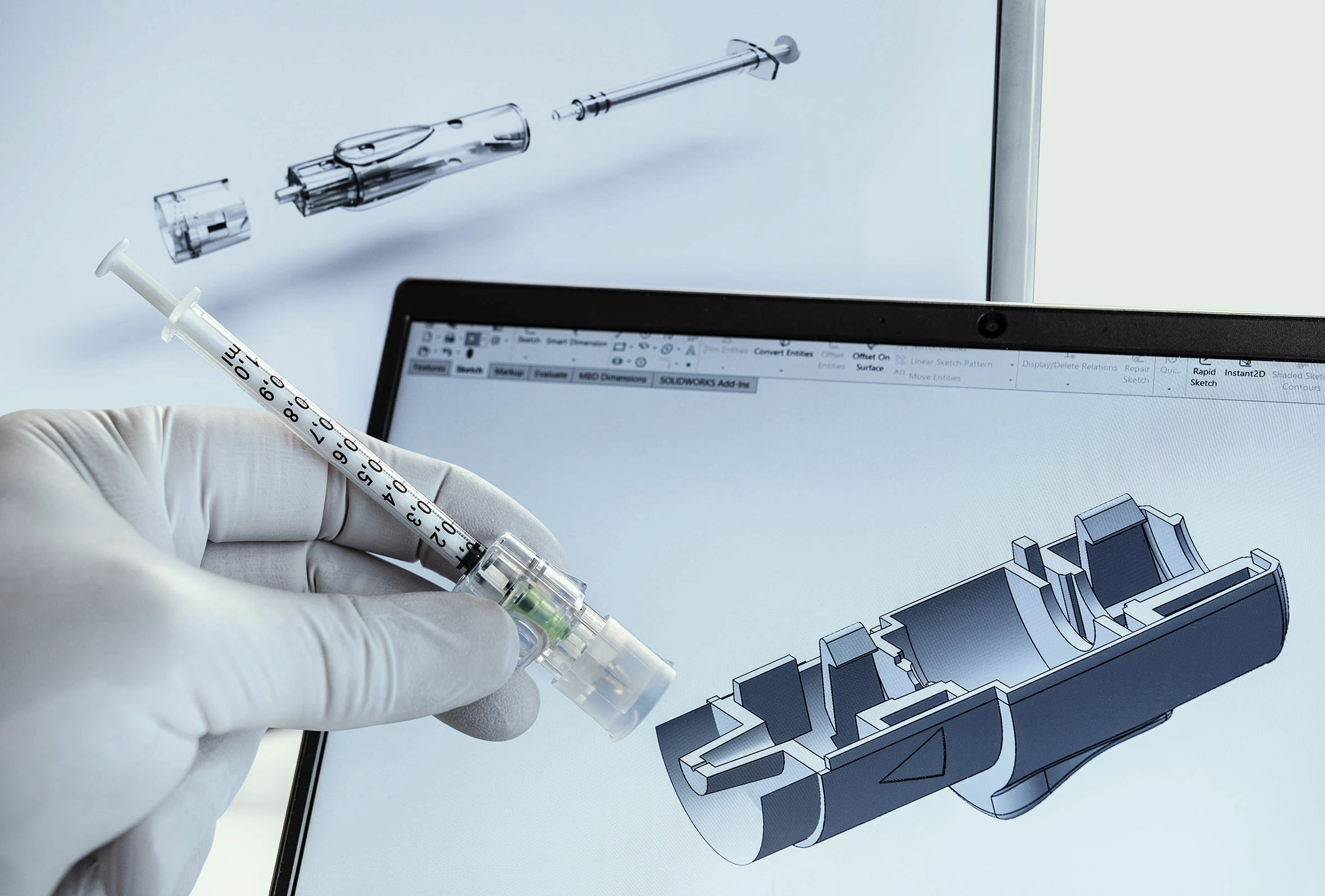
Life Sciences & Medical
Physical products for medical devices, diagnostics, biotech tools, and laboratory systems in regulated environments
Life Sciences & Medical
Physical products for medical devices, diagnostics, biotech tools, and laboratory systems in regulated environments

Energy & CleanTech
Systems and components for sustainability, environmental monitoring, and energy generation, storage, and control
Energy & CleanTech
Systems and components for sustainability, environmental monitoring, and energy generation, storage, and control

Industrial & Robotics
Physical products for machines, robotic systems, and production equipment that performs reliably at modern manufacturing scale
Industrial & Robotics
Physical products for machines, robotic systems, and production equipment that performs reliably at modern manufacturing scale

Food & AgriTech
Physical products for food and drink environments, from dispensing systems and processing lines to smart farming equipment
Food & AgriTech
Physical products for food and drink environments, from dispensing systems and processing lines to smart farming equipment
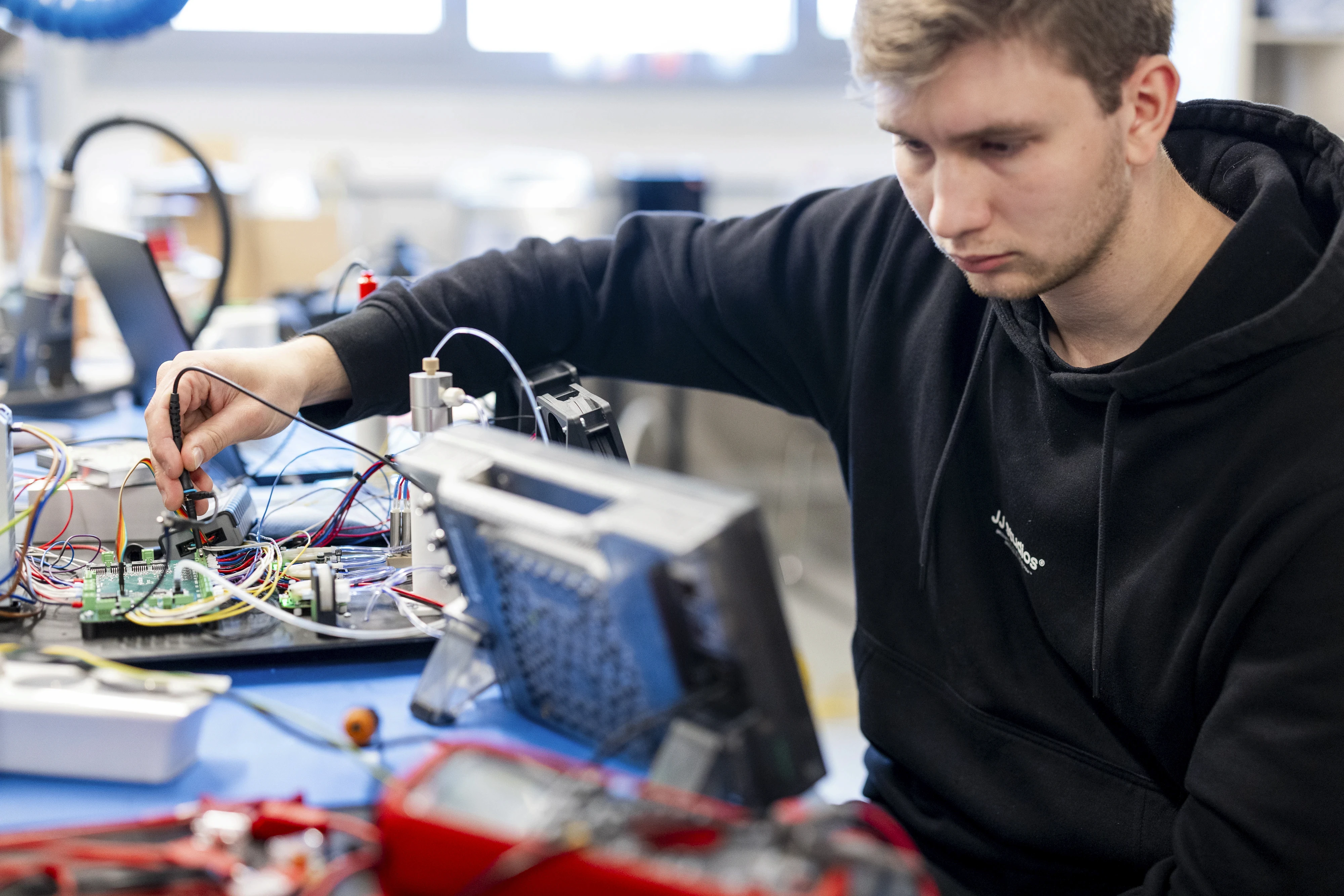
Consumer Electronics
Physical product design for connected products, where seamless UX, manufacturing readiness and global compliance matter
Consumer Electronics
Physical product design for connected products, where seamless UX, manufacturing readiness and global compliance matter
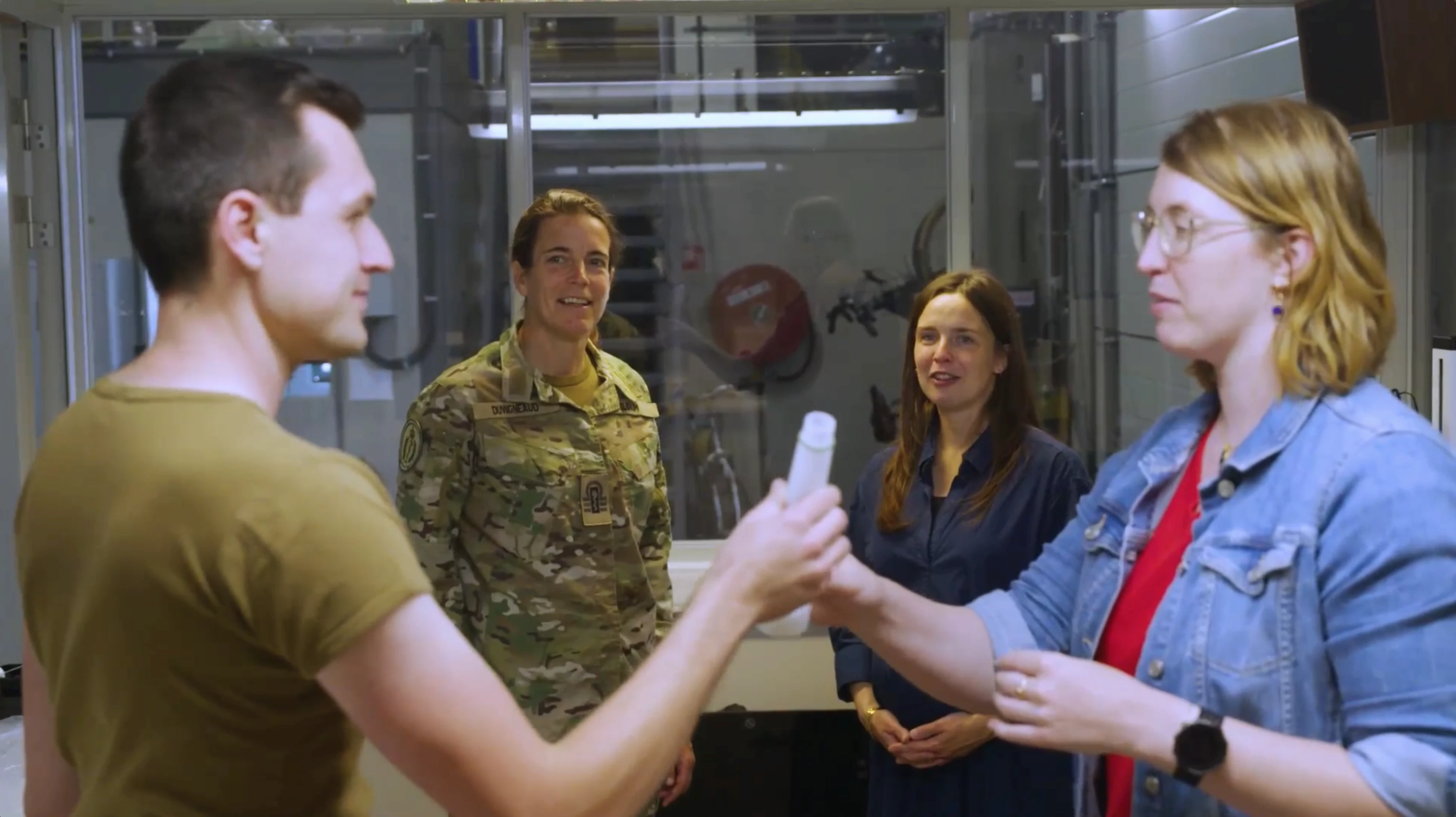
Aerospace & Defence
Physical products for aerospace, defence, and security applications where reliability, certification, and discretion are paramount
Aerospace & Defence
Physical products for aerospace, defence, and security applications where reliability, certification, and discretion are paramount
Wonderful ideas, engineered from sketch to scale
Wonderful ideas, engineered from sketch to scale
Wonderful ideas, engineered from sketch to scale
Wonderful ideas, engineered from sketch to scale

© 2026 Voxdale BV
© 2026 Voxdale BV
© 2026 Voxdale BV